Abstract
- USB-C is a common connector that helps a wide range of completely different and complicated requirements.
- There are numerous quick charging and information switch choices on USB-C, however compatibility varies between manufacturers.
- USB-C provides adaptability, however it comes at a critical price for anybody in search of the very best expertise.
Apple needed to be dragged kicking and screaming to help USB-C on the iPhone, however now that it does, you solely want one cable to cost your entire units. The method began on the iPad Pro in 2018, and the corporate’s MacBooks in 2015, however did not come to the iPhone till the discharge of the iPhone 15 in 2023. The irony is that Apple was an early adopter of Sort-C connectors due to the flexibleness it offers it to create sleeker units with fewer ports. The corporate primarily did not like giving up its ecosystem of Lightning adapters and equipment.
It was the European Fee that finally pressured the corporate to play ball when it passed a law in 2020 that will require all smartphones to function a USB-C port by the top of 2024. The governing physique wished to cut back e-waste, however USB-C had apparent benefits, too. Not solely can USB-C help charging and information switch on the identical time, it additionally permits ports to imagine the function of devoted DisplayPort and HDMI ports.
Much more importantly, Sort-C connectors are reversible. Whereas utilizing one cable for every part is handy, the flexibility of USB-C and the assorted charging and information switch requirements is not. And within the decade since USB-C was first launched, issues have not gotten a lot better. Everybody signed on for an easier connector, however finally, they have not gotten an easier expertise.
USB-C achieves the dream of a common connector (on paper)
Charging and information switch in a single adaptable little plug
USB-C was launched in 2014 by the USB Implementers Forum, a requirements physique composed of main tech corporations like Apple, HP, and Intel. The express objective of USB Sort-C (usually shortened to USB-C) was to create a compact and reversible alternative for the USB-A and MicroUSB connectors discovered on the vast majority of electronics on the time. USB-C would not unify all of them beneath one adaptable connector, making it potential — with the Sort-C’s 24 completely different metallic pins — to make use of the identical cables and ports throughout desktop computer systems, laptops, and the rising panorama of cellular units.
The issue with the Sort-C connector being so versatile, is that as new revisions and enhancements had been launched to USB, it bought tougher and tougher to inform which cable or port supported what.
Save for a couple of newer Sort-C unique requirements, USB-C is suitable with the majority of USB generations that had been launched earlier than it, from USB 2.0 all over USB 4 (the naming conventions aren’t presupposed to be deliberately complicated, however it actually looks like they’re). When USB-C first turned out there, it noticed early adoption from corporations seeking to provide streamlined units with fewer ports. You would theoretically put off having separate USB and energy connectors and bundle all of them collectively beneath one USB-C port, for instance. Apple specifically used the brand new connector to create the 12-inch MacBook, which featured a single USB-C port for energy and information switch and required dongles and adapters to attach a number of equipment without delay.
The issue with the Sort-C connector being so versatile, is that as new revisions and enhancements had been launched to USB, it bought tougher and tougher to inform which cable or port supported what. All of them regarded the identical, however they would not essentially all help the identical options. That is what’s produced the confounding panorama of various USB-C options we’ve got at this time.
Transferring energy or information is the place USB-C will get sophisticated
A number of generations of requirements are supported, on high of alternate makes use of
A lot of the USB-C cables that come packed in with a brand new smartphone, pill, or laptop computer help each charging and information switch. With that in thoughts, in the event you stick with the choices supplied by the producer of your chosen electronics, you ought to be superb. Staying in-ecosystem ensures USB options will probably be communicated in the identical manner, and in case your cellphone, pill, or laptop computer helps some sort of further talent like quick charging, you are certain to have the ability to benefit from it.
Issues actually get wild once you step outdoors of that or think about the huge variety of proprietary choices constructed on high of present requirements. For instance, some telephones provide sooner charging than the norm by means of a mixture of customized chargers, cables, and cellphone designs. In case you have a OnePlus cellphone, you is perhaps aware of the corporate’s SuperVOOC charging, which may energy up its telephones at 100W speeds. That may translate to going from an empty battery to 100-percent charged in 30 to 40 minutes.
Requirements our bodies haven’t any authorized energy to implement help for the standard, however they’ll make requirements internally constant and straightforward to undertake.
USB itself has what’s known as the USB Energy Supply customary, which permits sure USB-C cables to ship extra energy if a tool wants it. This allows sooner charging on units from Apple, Google, and Samsung, although it is dependent upon what revision of USB PD every gadget and charger helps. Issues can get much more granular than that with USB Energy Supply Programmable Energy Provide. That customary lets a tool request a selected voltage and regulate its energy draw because the gadget’s battery wants change. What makes charging significantly tough is that not each firm helps the identical requirements, and even when they do, they may not help it constantly throughout units.
The identical goes for USB-C’s varied Alternate Modes, which let the connector double as a wholly completely different sort of port. USB-C may tackle the performance of HDMI, Ethernet, and even DisplayPort, relying on the wants of your gadget. Meaning you would use a USB-C to attach your laptop computer to a monitor or an exterior GPU, theoretically by means of the identical port. Once more, issues get extra sophisticated, this time as a result of not each USB-C port on each gadget helps the identical factor. All of the USB-C ports on Apple’s most recent MacBook Pro help Thunderbolt 4 or higher (Thunderbolt allows you to switch a video sign, energy supply, and information on the identical time). On the MacBook Air, although, solely two provide Thunderbolt. You would not know except you checked out a diagram on Apple’s web site or tried every port.
Information switch is its personal beast, to the purpose you would write a complete separate article on the nuances of switch speeds and naming conventions. Basically, although, switch speeds have elevated with every consecutive era. Beneath is a basic breakdown:
- USB 1 / USB 1.1: 12 Mbps
- USB 2.0: 480 Mbps
- USB 3.0: 5 Gbps
- USB 3.1: 10 Gbps
- USB 3.2: 20 Gbps
- USB4: 40 Gbps
- USB4 2.0: 80 Gbps
As of proper now, USB 2.0 and up are supported on USB-C connectors, however the names of a few of these requirements have additionally modified, for no matter cause. USB 3.0 is now known as USB 3.2 Gen 1×1, USB 3.1 is USB 3.2 Gen 2×1, and USB 3.2 is USB 3.2 Gen 2×2. There are official causes as to why these names have modified, however at a sure level you simply have to simply accept that this stuff are going to be sophisticated ceaselessly.
USB-C is handy, however it could possibly be a lot better
So long as incremental upgrades exist, confusion persists

The widespread adoption of USB-C is no doubt a superb factor, however as this text hopefully illustrates, it hasn’t mounted every part. It is good that one cable can switch photographs from my digicam and cost my cellphone, however it’s onerous to say whether or not I am getting the optimum expertise. The only path is to stay with one firm on your charger and cables, whether or not it is the corporate that made your gadget or a trusted third-party.
One other sweeping legislation may simplify issues sooner, however for now, be pleased that you do not have to assume too onerous about what path you are plugging your USB cable in. For extra data on charging, try Pocket-lint’s list of common charging myths. If you would like one other potential answer to the USB-C, you’ll be able to examine Microsoft’s attempts to implement USB-C requirements.
Trending Merchandise

Acer Nitro KG241Y Sbiip 23.8â Full HD (1920 x 1080) VA Gaming Monitor | AMD FreeSync Premium Technology | 165Hz Refresh Rate | 1ms (VRB) | ZeroFrame Design | 1 x Display Port 1.2 & 2 x HDMI 2.0,Black
HP 27h Full HD Monitor – Diagonal – IPS Panel & 75Hz Refresh Rate – Smooth Screen – 3-Sided Micro-Edge Bezel – 100mm Height/Tilt Adjust – Built-in Dual Speakers – for Hybrid Workers,Black

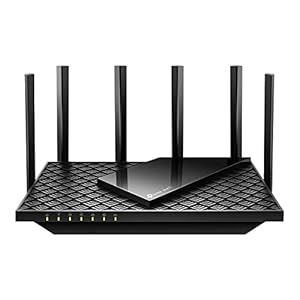
TP-Link AXE5400 Tri-Band WiFi 6E Router (Archer AXE75)- Gigabit Wireless Internet Router, ax Router for Gaming, VPN Router, OneMesh, WPA3


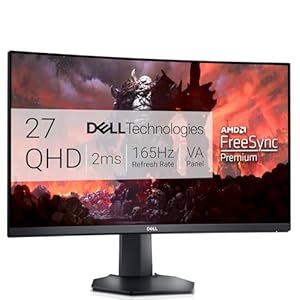
Dell S2722DGM Curved Gaming Monitor – 27-inch QHD (2560 x 1440) 1500R Curved Display, 165Hz Refresh Rate (DisplayPort), HDMI/DisplayPort Connectivity, Height/Tilt Adjustability – Black